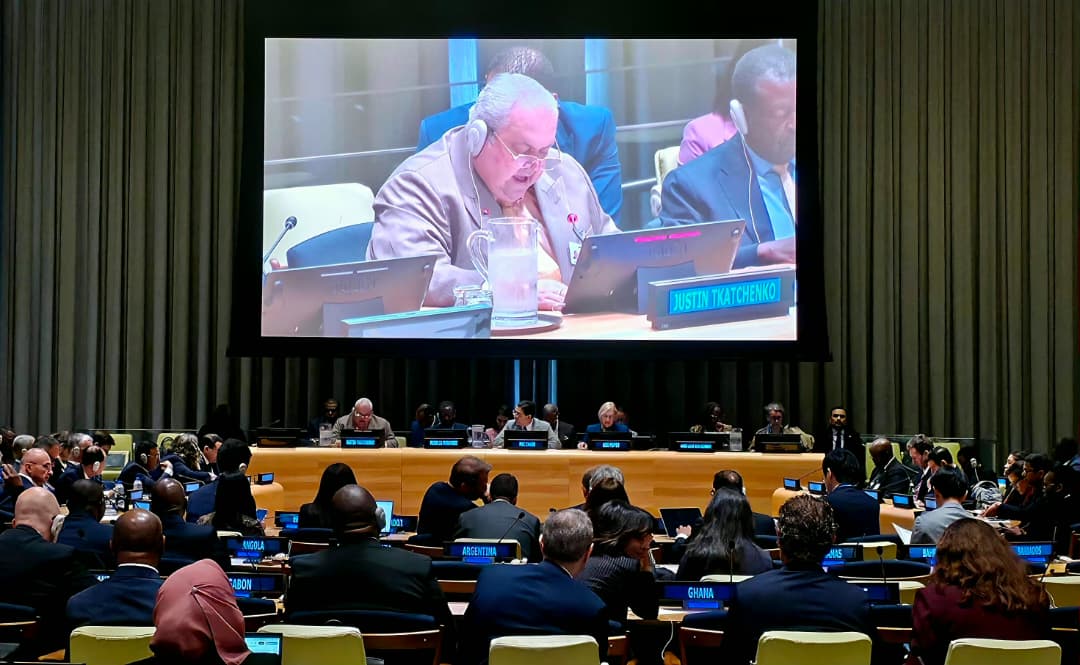
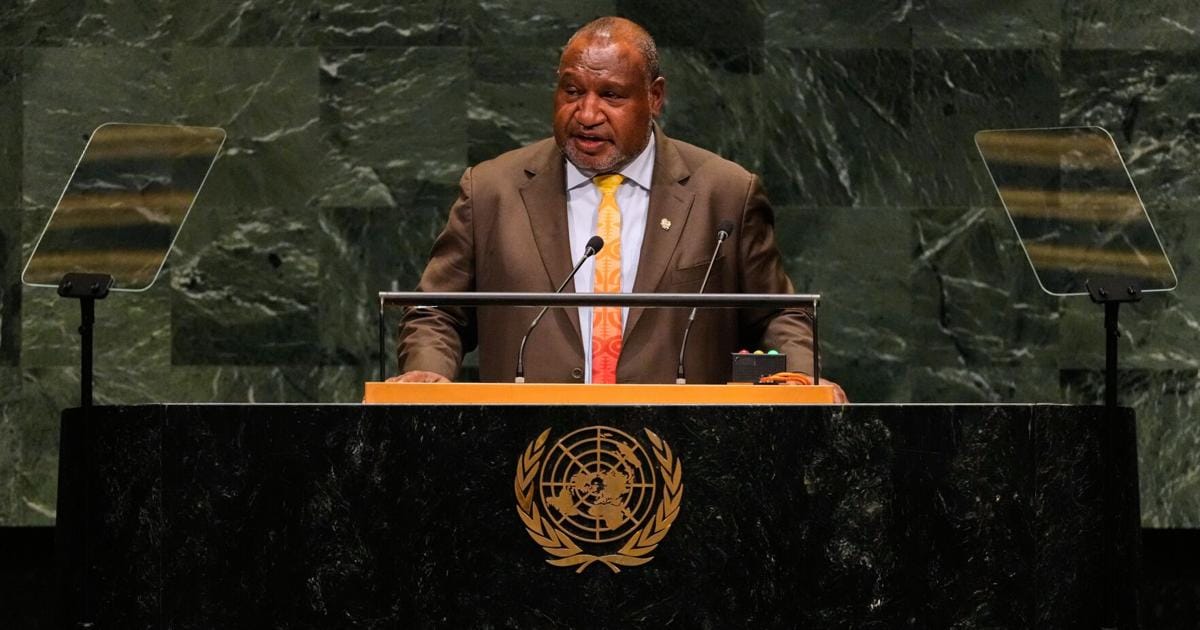
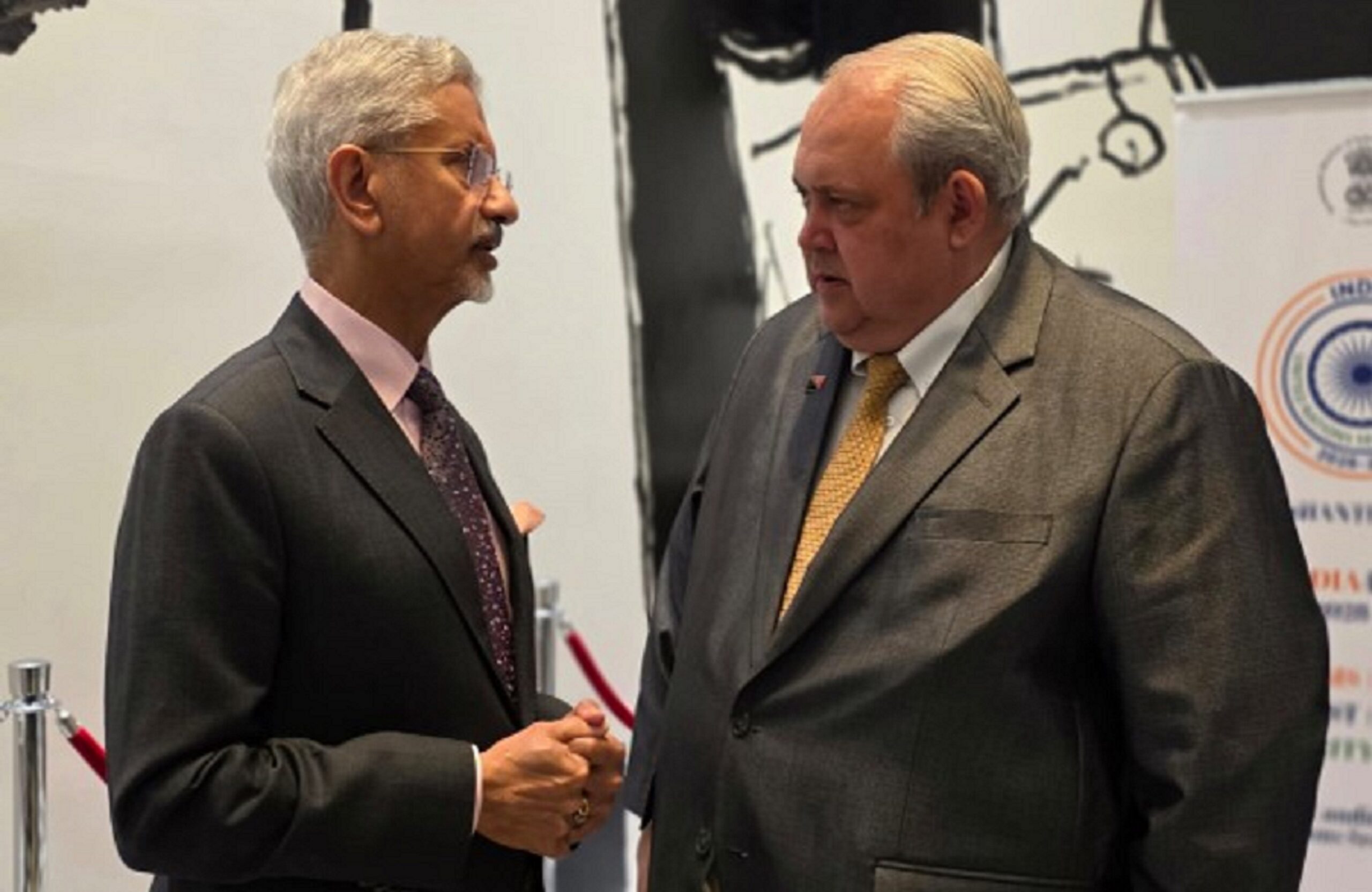
Papua New Guinea’s Minister for Foreign Affairs, the Hon. Justin Tkatchenko, CBE, BEM, OL, MP, addressed the 2026 Peacebuilding Commission Ministerial-Level Meeting in New York, emphasizing the critical importance of national ownership, localized prevention, and regional frameworks in sustaining global peace.
Speaking under the session theme, “National Ownership in Practice: Strengthening Inclusive State Institutions Through International Peacebuilding Support,” Minister Tkatchenko shared Papua New Guinea’s unique national experiences, highlighting the country’s landmark Bougainville peace process and its newly launched National Prevention Strategy.
“External assistance cannot be a substitute for national ownership,” Minister Tkatchenko stated. “The international community is most effective when it supports nationally determined priorities, strengthens national institutions, and helps societies develop their own capacity to prevent and resolve conflict.”
During his address, the Minister highlighted several key pillars of Papua New Guinea’s approach to sustaining peace:
- Bougainville Peace Process: Celebrating 25 years of unbroken peace following a decade-long civil war that claimed 20,000 lives, the Minister pointed to the 2001 Bougainville Peace Agreement and the recent 2025 Melanesian Agreement as prime examples of resolving conflict through peaceful dialogue and constitutional means.
- National Prevention Strategy (2025–2030): Launched in September 2025 alongside UN Secretary-General António Guterres, this first-of-its-kind strategy utilizes a whole-of-government and whole-of-society approach—partnering with businesses, churches, women’s organizations, and youth groups to proactively dismantle root causes of violence.
Minister Tkatchenko warned that modern conflicts are deeply intertwined with poverty, inequality, weak institutions, and climate change, the latter of which poses an existential security threat to small island developing states through displacement and resource strain.
Minister called for a shift in perspective, urging the international community to view women and young people not merely as beneficiaries of peace, but as active partners and leaders in the peacebuilding architecture.
Papua New Guinea called upon the United Nations Peacebuilding Commission to lead a global shift from crisis response to a proactive culture of prevention and resilience. Tkatchenko noted that the Pacific region’s long-standing traditions of consensus, mediation, and dialogue should serve as a model to complement the global peace and security architecture.
“Peace is not built in conference rooms alone,” Minister Tkatchenko concluded. “It is built in communities. It is built through trust. It is built through inclusion. And, ultimately, it is built by people who believe that their differences can be resolved without violence.”
Papua New Guinea reaffirmed its unwavering commitment to work alongside the United Nations, regional organizations, and international development partners to advance flexible, inclusive, and well-resourced peacebuilding initiatives worldwide.